7 Common Cooking Mistakes Beginners Always Make

7 Common Cooking Mistakes Beginners Always Make

Have you ever found yourself staring at a pot of soup, wondering why it tastes so bland? Maybe you’ve cooked pasta that turned out more like mush than a delightful al dente dish. Truth is, we’ve all been there. Cooking, while it seems straightforward, often comes with its own set of challenges, especially for novices who are just starting to explore the culinary world. Let’s dive into some of the most common mistakes beginners make, and how you can avoid them to elevate your kitchen skills.

Consider this: you might have followed a recipe to the letter, yet your dish falls flat. How frustrating is that? It’s not just about following instructions; cooking is an art that requires understanding techniques and ingredients. This article will shed light on these common pitfalls and equip you with the knowledge to step up your cooking game. Ready to become the home chef you’ve always wanted to be?

1. Skipping the Mise en Place

One of the biggest oversights beginners make is skipping the mise en place, which means « everything in its place. » Imagine you’re halfway through a recipe and realize you forgot to chop the onions. You scramble to catch up, and your dish suffers as a result. This can lead to overcooked vegetables or missed seasoning opportunities.

Take my friend Lucy, for example. She once decided to whip up a stir-fry on a busy weeknight. Instead of preparing her ingredients beforehand, she chopped each component as she cooked. The result? Vegetables cooked unevenly, with some burnt while others remained raw. By taking the time to prep all ingredients before cooking, you can enjoy a more seamless and enjoyable cooking experience. So, next time, remember: prep first, cook later!

2. Not Reading the Entire Recipe

Have you ever jumped straight into a recipe, only to realize halfway through that you missed a crucial step? Not reading the entire recipe beforehand is a common mistake that can lead to culinary chaos. Recipes often include key insights or techniques that are critical for success.

3. Incorrect Oven Temperatures

Picture this: you pop a cake into the oven, excited for a delicious dessert, only to find it’s burnt on the outside and gooey on the inside. You might be wondering what went wrong. One common culprit is incorrect oven temperatures. Many recipes assume your oven is calibrated correctly, but that’s not always the case.

When I started baking, I learned the hard way that ovens can often be off by quite a bit. A friend taught me to invest in an oven thermometer to ensure accurate temperatures. You might be surprised at how much difference this makes! If a recipe calls for 350°F but your oven is actually running at 325°F, your baking times can be completely thrown off. Always check your oven’s accuracy to avoid this fundamental mistake.

4. Using Dull Knives

Have you ever struggled to slice through a tomato, only to end up squishing it instead? This often happens when using dull knives, a common mistake that many beginners overlook. Dull knives not only make cooking more difficult, but they can also be dangerous; a dull blade is more likely to slip, leading to accidents.

Here’s the thing: investing in a good-quality chef’s knife and keeping it sharp can transform your cooking experience. I vividly remember how much faster I could chop vegetables when I finally started sharpening my knives regularly. Plus, with a sharp knife, you’ll be more confident and efficient in the kitchen. So, don’t underestimate the importance of a good knife in your culinary toolkit!

5. Overcrowding the Pan

Ever tried to sauté vegetables only to have them steam instead of brown? Overcrowding the pan is a common error that prevents the Maillard reaction from occurring, which is what gives food that delicious, caramelized flavor. When the pan is packed too tight, the food releases moisture, leading to steaming rather than browning.

Consider my cooking experience with stir-fried veggies. I used to throw everything into the skillet at once, hoping for a quick meal. But once I learned to cook in batches, I was amazed by the difference in flavor and texture. It’s not just a cooking technique; it’s a game changer. Allowing enough space in the pan for food to cook properly is key to achieving that sought-after crispness.

6. Ignoring Seasoning

Seasoning is often where beginner cooks falter. Too little salt can leave a dish bland, while too much can overpower it. But here’s what most people miss: seasoning should be an ongoing process throughout cooking, not just a last-minute addition. When do you think the best time to season is? The answer lies in layering flavors.

During my early cooking days, I learned this lesson while making chili. I added all my salt at the end, and it just didn’t taste right. A seasoned chef advised me to season at different stages. This made a world of difference! By adjusting salt and spices as you go, you can create a deeper, more complex flavor profile. Don’t be afraid to taste and adjust as you cook!

7. Not Asking for Help

Finally, many beginners feel they have to tackle cooking challenges on their own, fearing that asking for help might show weakness. But here’s a little secret: even the best chefs were once beginners. Seeking guidance can save time and prevent common pitfalls in the kitchen. What’s the worst that could happen? You might learn something new!

A close friend of mine struggled with baking. Instead of asking for advice, she spent countless hours trying to perfect recipes. Eventually, she reached out to a family member who loves to bake, and they spent an afternoon together creating pastries. Not only did she learn some invaluable tips, but she also enjoyed the process. So, don’t hesitate to reach out—whether it’s to a friend, family member, or even a cooking class. Learning from others can be incredibly beneficial!

Now that you’re aware of these common cooking mistakes, it’s time to put your knowledge into action. Which of these do you identify with the most? Share your experiences in the comments below or let us know if you have any other cooking tips for beginners. Remember, every chef was once a beginner, and every mistake is simply a stepping stone toward culinary mastery.


Kitchen Hacks Every Home Cook Should Know

Kitchen Hacks Every Home Cook Should Know

Have you ever found yourself struggling to peel garlic or frustrated by how quickly your herbs wilt? You’re not alone! Every home cook, whether a novice or a seasoned pro, encounters these kitchen conundrums. The truth is, with a few clever kitchen hacks up your sleeve, you can simplify your cooking experience and elevate your culinary game.

Imagine effortlessly slicing through a stubborn piece of ginger or perfectly measuring honey without the sticky mess. Sounds appealing, right? These small yet impactful tricks can save you time, reduce waste, and make cooking more enjoyable. Let’s dive into some invaluable kitchen hacks that every home cook should consider.

Mastering Herb Storage

If you’ve ever bought a bunch of fresh herbs only to watch them wilt within days, you’re aware of the frustration. Here’s the thing: herbs are delicate and require special care. One of the best kitchen hacks is to treat them like fresh flowers. Trim the stems, place them in a jar with water, and cover with a plastic bag. Store them in the fridge, and you’ll extend their life by a week or more. A friend of mine swears by this method, claiming her cilantro stays fresh for nearly two weeks now! This simple tweak not only keeps your herbs vibrant but also allows you to enjoy their full flavor in your dishes.

Effortless Garlic Peeling

Quick and Easy Egg Separation

Perfectly Measuring Sticky Ingredients

Homemade Buttermilk Substitute

Freezing Fresh Produce

Utilizing a Sharp Knife

Simplifying Cleanup

Conclusion: Elevate Your Kitchen Skills

Cheese Board Ideas for the Perfect Dinner Party

Cheese Board Ideas for the Perfect Dinner Party

Imagine this: you walk into a warm, inviting space filled with laughter and the clinking of glasses. The aroma of delicious food wafts through the air, drawing you closer to a beautifully arranged cheese board. But what exactly makes a cheese board irresistible? Are there secret ingredients or pairings that can elevate it from ordinary to extraordinary? Let’s explore the art of crafting the perfect cheese board that will leave your guests raving long after the last crumb has disappeared.

Cheese boards are more than just appetizers; they are an experience. They invite conversation, spark curiosity, and create a sense of community around the dining table. But it’s not just about slapping a few slices of cheese on a platter. The key lies in the thoughtful selection of cheeses, complementary accompaniments, and aesthetic presentation. With a little creativity and inspiration, you can set the stage for a memorable dinner party that your friends will talk about for months.

Choosing the Right Cheeses

When it comes to your cheese selection, variety is not just the spice of life; it’s essential for a well-rounded cheese board. Aim for a mix of textures and flavors—soft, hard, sharp, and creamy. A well-curated board typically includes a goat cheese, a sharp cheddar, a nutty Gruyère, and a decadent blue cheese. For instance, consider bringing in a creamy Brie that pairs beautifully with fruits and nuts. It’s a crowd-pleaser that’s always a hit at dinner parties. But remember, quality matters. Sourcing artisanal cheeses from local dairies can add a unique touch.

Moreover, let’s not overlook the importance of the cheese’s temperature. The truth is, serving cheese at room temperature allows their flavors to truly shine. Take them out of the fridge at least 30 minutes before serving. This simple step can make a noticeable difference. Have you ever had a cheese that was just… okay? Often, the flavor was muted simply because it was too cold. Let your cheeses breathe, and they will reward you!

Complementary Accompaniments

What’s a cheese board without the perfect accompaniments? To create a symphony of flavors, think beyond just crackers. Include a variety of items such as artisanal breads, marinated olives, fresh fruits like figs and grapes, and even honey or jams for a sweet contrast. Imagine the delightful crunch of a toasted baguette topped with creamy goat cheese and a drizzle of honey. The sweet and savory combination is divine.

Don’t shy away from adding nuts, either. They add a delightful texture and enhance the overall aesthetic of your board. A mix of marcona almonds and walnuts not only tastes great but also brings that rustic charm we all love. While you’re assembling your cheese board, consider arranging these accompaniments in a visually pleasing manner. Just like a painter choosing colors, think about the hues and shapes of each item. It’s like creating a work of art that’s as delicious as it is beautiful.

Presentation Matters

Here’s the thing: the presentation of your cheese board can make or break the experience. A well-arranged board not only looks enticing but also invites interaction. Choose a large wooden cutting board or a slate platter as your canvas. Use small bowls for dips, spreads, or olives to create visual interest. You can even use fresh herbs or edible flowers for an added touch of elegance. The goal is to create a board that encourages sharing and discovery.

Think about the flow as well. Place the cheeses at different points on the board, and group items that pair well together. This approach not only keeps guests engaged but also guides them towards delightful flavor combinations. Picture a soft cheese next to a sweet fig jam— guests will naturally gravitate toward it. Have you ever had a cheese board where you were unsure where to start? That’s what you’re trying to avoid. Your guests should feel excited to dive in!

Seasonal Themes for Your Cheese Board

Embracing seasonal ingredients can take your cheese board to the next level. Consider the time of year and what’s available locally. In the fall, think about incorporating pumpkin-shaped cheeses, alongside spiced pecans and dried cranberries. During spring, fresh herbs and vibrant berries can bring a refreshing touch. Aligning your board with seasonal themes not only enhances flavors but also makes it more visually appealing. Your dinner party can become a celebration of the season itself.

For example, a summer cheese board could feature lighter cheeses like feta or mozzarella, complemented by grilled peaches and fresh basil. Each season offers a unique palette for cheese lovers to explore. Have you noticed how certain flavors evoke memories? By utilizing seasonal ingredients, you can create a sensory experience that resonates with your guests, allowing them to savor not just the food, but the moment itself.

Interactive Elements to Engage Guests

Why not elevate your cheese board experience by adding interactive elements? Consider a “build-your-own” cheese station where guests can combine their favorite cheeses with various toppings. Set out a selection of cheeses, nuts, fruits, and spreads, and let your friends create their own masterpieces. This approach invites conversation and laughter as people experiment and share their unique combinations. It’s like a culinary adventure right at the dinner table!

Another fun idea is to incorporate a wine pairing station. Offer a few different wines and let guests select which ones they want to try with their chosen cheeses. It’s not just a meal; it’s an interactive experience that fosters connection. At the end of the day, isn’t that what dinner parties are all about? Building relationships while indulging in delicious food and drinks can create lasting memories.

Conclusion: Craft Your Perfect Cheese Board

Homemade Hummus Recipe Better Than Store-Bought

Homemade Hummus Recipe: Better Than Store-Bought

Have you ever dipped a crunchy vegetable into a creamy hummus and felt that rush of flavor bliss? If you’ve only ever experienced store-bought varieties, you’re in for a delightful surprise. Homemade hummus is not just fresher; it’s a canvas for your culinary creativity. Imagine whipping up a batch in your own kitchen, customizing it to your taste, and reaping the health benefits without preservatives. Intrigued? You should be!

The truth is, crafting your own hummus is not just about the taste—it’s a whole experience. It allows you to control the ingredients, ensuring everything is fresh, nutritious, and tailored to your preferences. And if you’ve ever compared the ingredients list of store-bought hummus to the simplicity of homemade, you know there’s no contest. So, why not take a little time to explore this delightful and easy-to-make appetizer? Let’s dive into the world of homemade hummus!

Gathering Your Ingredients

Before you can whip up a dreamy bowl of hummus, you need to gather your ingredients. Fortunately, you don’t need a long shopping list. The core of good hummus typically includes chickpeas, tahini, lemon juice, garlic, olive oil, and salt. If you want to jazz things up, consider adding ingredients like roasted red peppers, herbs, or spices to create your signature flavor. Have you ever thought about adding a touch of smoked paprika or caramelized onions? Those small tweaks can elevate your dish to a whole new level.

Let’s not forget about the chickpeas! While you can use canned, cooking your own from dried chickpeas can yield a creamier texture. Simply soak them overnight and boil them for about an hour until tender. This little extra step can make a significant difference and will leave you wondering why you ever opted for store-bought. Think about your last experience with hummus—did it leave you satisfied or longing for more? Homemade guarantees you’ll never feel that way again!

Simple Steps to Create Creamy Hummus

Creating your homemade hummus is a breeze! Start by draining and rinsing your chickpeas. If you want an ultra-smooth texture, you can peel the skins off, though it’s not strictly necessary. Toss the chickpeas into a food processor along with tahini, garlic, lemon juice, and salt. Process until smooth, then slowly drizzle in the olive oil while blending. This technique creates a silky consistency that store-bought versions struggle to achieve.

But don’t stop there! Here’s the thing: flavor is key. Taste your hummus and adjust. Perhaps you want it tangier—add more lemon juice. Need a kick? Toss in some cayenne pepper. You have the power! This stage is crucial because it allows you to make your hummus truly yours. Can you envision serving this at your next gathering and impressing your friends with the depth of flavor? Homemade hummus is sure to be a showstopper!

Serving Suggestions That Wow

Now that you have your homemade hummus ready, the next step is how to serve it. The traditional way is to offer it with pita bread and a selection of fresh veggies. Carrots, cucumbers, and bell peppers all provide that satisfying crunch. But let’s get creative! Why not use it as a spread on sandwiches or a dip for chips? Even as a topping for grilled meats, hummus can bring a delightful twist to your favorite dishes.

A memorable experience I had involved hosting a small gathering where I served my homemade hummus as a centerpiece. I paired it with a colorful platter of sliced vegetables and toasted pita chips. Guests couldn’t get enough; I even overheard someone saying it was « the best they had ever tasted! » That’s the magic of homemade—it’s not just food; it’s an experience. Have you ever had a dish that stole the show at a gathering? Homemade hummus can be that dish!

Health Benefits of Homemade Hummus

When you think about appetizers, the words « healthy » and « delicious » don’t often collide. However, homemade hummus is a delightful exception. Chickpeas are a fantastic source of plant-based protein and fiber, which means they keep you feeling full longer. Additionally, tahini is rich in healthy fats, vitamins, and minerals, making your dip not just tasty but nutritious too.

This combination can aid digestion and provide sustained energy without the crash that often follows processed snacks. What’s more, by making your hummus, you can avoid added sugars and preservatives found in many store-bought options. At the end of the day, it’s about nourishing your body while enjoying something truly delicious. Isn’t that the best of both worlds?

Experimenting with Flavors

One of the best parts of making your own hummus is the opportunity to experiment. Have you ever considered adding roasted garlic instead of raw? Or mixing in fresh herbs like parsley or cilantro for a burst of freshness? Each variation can transform your hummus into a different taste sensation. For instance, roasted beet hummus offers a vibrant color and subtle sweetness—a real crowd-pleaser!

Another fantastic option is to incorporate spices. A hint of cumin can add warmth, while a dash of curry powder brings an exotic flair. The options are virtually limitless. As you delve into the world of hummus-making, what unique combinations will you discover? Each batch can be a new adventure, and that’s what makes it all the more exciting.

A Call to Create and Share

Homemade hummus is not just a dish; it’s an opportunity for creativity, health, and connection. There’s something satisfying about nurturing your culinary skills and sharing them with others. So, why not gather your ingredients and start experimenting? The recipe is straightforward, and the rewards are plentiful. You’ll find yourself looking forward to snack time like never before!

As you embark on your hummus-making journey, don’t hesitate to share your experiences! What flavors will you try? Do you have a favorite twist you’d love to share? Comment below, and let’s inspire each other in the kitchen! Your journey to create better-than-store-bought hummus starts now!

Healthy Snack Ideas for Kids They Actually Love

Healthy Snack Ideas for Kids They Actually Love

Are you tired of the endless struggle to get your kids to eat healthy snacks? You’re not alone. Many parents face the same dilemma: how to provide nutritious options that kids will actually enjoy. The truth is, kids often prefer snacks that are colorful, fun, and tasty. So, let’s dive into some healthy snack ideas that are sure to please even the pickiest eaters.

Imagine this: It’s 3 PM, and the kids come home from school, famished and ready to munch. You want to offer something nutritious, but you also know that if it doesn’t look or taste good, it’ll be rejected outright. The key lies in creativity and a little bit of fun. So how do we create snacks that are both healthy and appealing? Here are some ideas to get you started.

Fruity Fun: Creative Ways to Serve Fruit

Fruits are naturally sweet and packed with vitamins, but sometimes they need a little jazzing up. Consider making a fruit kabob. Simply thread colorful pieces of fruit like strawberries, grapes, and melon onto a skewer. Not only does it look appealing, but kids love the act of eating something on a stick. This playful presentation transforms ordinary fruit into a fun experience.

Another approach is to make a fruit dip. Mix some Greek yogurt with honey and a dash of vanilla. Pair it with apple slices or banana chunks. Kids go crazy over dipping! In fact, I once saw a reluctant fruit eater transform into a fruit lover just because they could dip their apples. What’s your child’s favorite fruit? Try introducing it in a new way!

Veggies with a Twist: Making Greens Desirable

Furthermore, consider baking kale chips for a crunchy, savory snack. Simply toss kale leaves with olive oil and a pinch of salt, then bake them until crispy. They are a delicious alternative to potato chips, and kids won’t even realize they’re eating something healthy. Trust me, it’s a game changer when they think they are indulging in a treat!

Nut Butter Delights: Spreading the Joy

Nuts and nut butters are packed with protein and healthy fats, but they can be enhanced in a way that makes them irresistible. A simple apple slice smeared with almond butter can become a powerhouse of nutrition. Add a sprinkle of cinnamon or some granola for extra texture and flavor. This snack not only fills them up but also provides lasting energy.

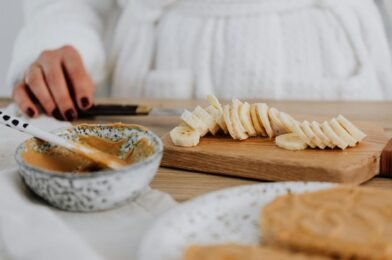
Consider making « banana sushi » as well! Take a whole banana, spread it with peanut or almond butter, then roll it in crushed nuts or oats. Slice it into bite-sized pieces, and you’ll have a fun, nutritious snack that feels special. Kids love the idea of sushi, and this simple recipe lets them join in on the creativity. Have your kids helped you in the kitchen? Engaging them can make the process even more enjoyable.

Homemade Snack Bars: A Treat You Control

Store-bought snack bars can often be filled with hidden sugars and preservatives. Why not try making your own at home? With a few simple ingredients—like oats, honey, nut butter, and dried fruits—you can whip up homemade snack bars that are both tasty and healthy. Mix everything together, press it into a pan, chill, and cut into bars.

The beauty of homemade bars is that you can customize them to your child’s taste. If they love chocolate, why not add in some dark chocolate chips? I remember making these with my children, and they enjoyed the process just as much as eating the final product. What’s stopping you from getting creative in the kitchen with your little ones?

Yogurt Parfaits: Layered Goodness

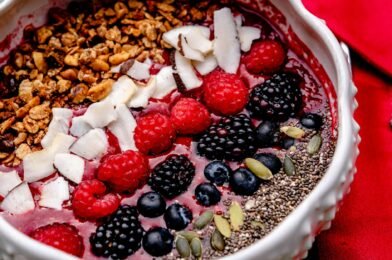
Yogurt can be a delicious and healthy base for a snack. A yogurt parfait is an engaging way to present it. Layer Greek yogurt with granola and fresh berries in a clear cup. The colorful layers are not only visually appealing but also deliciously satisfying. Kids can even help with assembling their own parfaits, which makes it a fun activity!

Adding a drizzle of honey or a sprinkle of nuts can elevate the flavor and texture. Plus, the health benefits of yogurt—like probiotics—can keep their gut healthy. Farm-fresh or organic yogurts can be rich in flavor, making this snack not just healthy but delightful. Have you ever asked your kids to create their own parfait? You might be surprised by their creative combinations!

At the end of the day, healthy snacking doesn’t have to be a chore or a battle. With a little creativity, you can offer snacks that are both nutritious and enjoyable. Kids love colorful, fun, and interactive foods, so why not engage their imagination? Experiment with these ideas and discover what resonates with your family’s taste buds.

What’s your go-to healthy snack for your kids? Let me know in the comments below and share your experiences! Together, we can make healthy snacking a fun part of our kids’ lives.

Easy Appetizers for Parties That Impress Your Guests

Easy Appetizers for Parties That Impress Your Guests

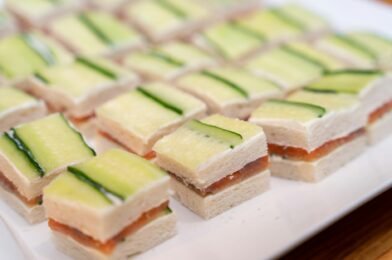
Imagine this: your friends and family are gathered in your living room, laughter filling the air, and the tantalizing aroma of delicious appetizers wafts through the house. As you put down a gorgeous platter of vibrant, flavorful bites, everyone’s eyes light up with anticipation. Have you ever wondered how you can create that kind of atmosphere with minimal stress? The truth is, impressing your guests doesn’t have to mean spending hours in the kitchen. With a few easy, yet sophisticated appetizer options, you’ll be the star of your next gathering.

Whether you’re hosting a cozy get-together or a grand celebration, the right appetizers can elevate the experience. They serve as the perfect icebreaker and keep the energy flowing as conversations unfold. From crispy bites to refreshing dips, the choices are endless. But how do you choose the right ones? Let’s dive into some crowd-pleasing options that will leave your guests raving long after the plates are empty.

1. Bite-Sized Bruschetta: A Classic with a Twist

Bruschetta is one of those timeless appetizers that never goes out of style. The base is simple: toasted bread topped with a variety of ingredients. But here’s the twist that makes it unforgettable. Instead of the traditional tomato topping, try a combination of roasted red peppers, feta cheese, and a drizzle of balsamic glaze. Not only does this give a flavor punch, but the presentation looks stunning as well.

Picture this: a vibrant platter of colorful bruschetta sitting at the center of your dining table. One evening, I made these for a small gathering. As my guests took their first bites, their faces lit up with delight. They couldn’t wait to grab another! It was an effortless way to create a warm and inviting atmosphere, and they were all asking for the recipe by the end of the night. What more could you ask for?

2. Stuffed Mini Peppers: A Colorful Delight

When it comes to appetizers that both look good and taste fantastic, stuffed mini peppers are a showstopper. These little gems are not only visually appealing but are also a breeze to prepare. You can stuff them with a mixture of cream cheese, herbs, and spices, or even go for a savory mix of quinoa, black beans, and spices for a healthier option.

Here’s the thing: the vibrant colors of the mini peppers make them a perfect centerpiece for your appetizer spread. I once made these for a summer barbecue, and they disappeared within minutes. Guests were raving about the flavor and asking how I managed to make them so pretty! What’s fantastic is that you can easily customize the stuffing to suit your guests’ preferences, ensuring everyone finds something they love.

3. Deviled Eggs with a Modern Twist

Deviled eggs are a staple at any gathering, but why not revamp this classic? Instead of the traditional filling, try incorporating avocado or sriracha for a modern twist. The creamy texture of avocado adds a delightful richness, while sriracha brings a kick your guests will adore.

Let me share a little story: At a recent brunch with friends, I decided to surprise everyone with these spicy avocado deviled eggs. Each bite was met with “wow” and “I need this recipe!” It was amazing to see how a beloved classic could be reinvented simply by swapping out a couple of ingredients. Plus, they’re also gluten-free, making them a great option for all dietary needs. Are you ready to impress with this delightful twist?

4. Cheese and Charcuterie Board: The Ultimate Crowd-Pleaser

No gathering is complete without a beautiful cheese and charcuterie board. The best part? You can make it as simple or elaborate as you like. Begin with a selection of cheeses, meats, olives, and crackers. Add some fresh fruits and nuts to create a balanced offering that looks as good as it tastes.

One time, I hosted a wine tasting evening, and I spent a little time preparing my cheese board. As I arranged the items, I found joy in the creativity of it all. Guests were drawn to the board, enjoying the variety and flavors while mingling. The combinations were endless, with different textures and tastes mingling beautifully. It sparked lively conversations, and I realized how a simple board could become the heart of the gathering. Are you up for creating your own memorable masterpiece?

5. Easy Dips: Bring on the Flavor

Dips have a way of bringing people together. Picture this: a creamy spinach and artichoke dip served with crispy tortilla chips or fresh veggie sticks. Dips can be made in advance, which is a lifesaver when you’re juggling multiple dishes. Plus, they offer variety, catering to different preferences.

During one event, I made a classic hummus paired with a zesty garlic dip. To my surprise, they were the stars of the evening! Guests were praising the flavors and even asking for the recipes. It reminded me that simple can be utterly delightful, sparking connections through shared tastes and experiences.

Conclusion

Crafting the perfect appetizers doesn’t have to be complicated. With a little creativity and some easy-to-prepare recipes, you can impress your guests without breaking a sweat. So, the next time you’re planning a gathering, consider these crowd-pleasing options. They not only tantalize taste buds but also create memorable moments. What’s your favorite go-to appetizer? Share your thoughts in the comments below and let’s keep the conversation going!

How to Meal Prep Breakfast for the Whole Week

How to Meal Prep Breakfast for the Whole Week: Your Ultimate Guide

Imagine waking up every morning to a nutritious, delicious breakfast waiting for you. No more rushing around, trying to whip something up or falling into the trap of unhealthy choices. With a little planning and the right strategies, you can set yourself up for success by meal prepping your breakfasts for the entire week. Are you ready to transform your mornings?

Meal prepping isn’t just a trend; it’s a lifestyle that can dramatically improve your health and save time. The truth is, many people struggle with breakfast options because they don’t have a plan. They often skip it or grab something quick that’s loaded with sugar. However, a few hours on the weekend can yield scrumptious, wholesome breakfasts that make mornings delightful and stress-free. Let’s dive into how to master the art of breakfast meal prepping!

Choosing Your Breakfast Recipes

The first step in your meal prep journey is selecting the right breakfast recipes. You want options that are not only tasty but also easy to store and reheat. Think smoothies, overnight oats, egg muffins, and chia seed puddings. These dishes are versatile and can be tailored to your preferences. For example, an egg muffin can be made with spinach, cheese, and diced bell peppers. What’s stopping you from mixing it up?

To get you started, here are a few crowd-pleasers:

  • Overnight oats with various toppings like nuts, fruits, or yogurt.
  • Mini frittatas loaded with veggies and protein.
  • Breakfast burritos that can be wrapped and frozen for convenience.

Shopping for Ingredients

With your recipes in mind, it’s time to hit the grocery store. Make a comprehensive shopping list that encompasses all necessary ingredients. It’s handy to stick with whole foods—think fruits, vegetables, lean proteins, and whole grains. Here’s the thing: buying in bulk can also save money and ensure you have enough of your staples at hand.

For those looking to cut down on prep time, consider premade products. For instance, pre-chopped vegetables can save precious minutes in the kitchen. However, don’t forget that fresh produce usually has the best flavor and nutritional value. Balancing convenience with quality will elevate your breakfast prep experience.

Meal Prep Techniques

Now that you have your recipes and ingredients, let’s talk about execution. Choose a day when you have a few hours free, typically Sunday works well for many. Start with tasks that take the longest, such as baking egg muffins or cooking a big batch of oatmeal. While those are in the oven, you can assemble overnight oats or make smoothie packs.

Consider investing in quality containers to keep your breakfast items fresh. Glass containers are ideal for reheating, while mason jars are perfect for overnight oats. The beauty of meal prepping is that once everything is prepared, you can organize your meals for the week, making it easier to grab and go in the mornings.

Storage and Reheating Tips

How you store your meals can make a significant difference in taste and texture. Most breakfast items can be stored in the refrigerator for up to a week. If you’ve made items like burritos or muffins, freeze them for longer shelf life. When it’s time to eat, reheating is a breeze; simply pop them in the microwave for a minute or two.

Don’t be afraid to get creative with your meal naming. For example, label containers with fun titles that excite you, like “Monday Morning Magic” or “Wholesome Wednesday Wraps.” This little touch can make your meal prep feel more like a treat rather than a chore.

Staying Motivated

Additionally, invite friends or family to join in! Meal prepping can be a fun group activity; you can share tips, recipes, and even split grocery costs. When you have a support system, staying on track becomes much easier. What’s more motivating than sharing your progress with others?

Conclusion: A Delicious Way to Start Your Day

Meal prepping breakfast for the whole week is an investment in your health and wellness. You empower yourself to make smarter choices with a little planning. Remember, the key lies in choosing the right recipes, shopping wisely, and setting aside time for prep. So, what are you waiting for? Start your meal prep journey today and revolutionize the way you approach breakfast. Share your favorite breakfast recipes or any tips you have in the comments below! Let’s inspire each other to make mornings a little brighter.

Freezer-Friendly Meals You Can Make in Advance

Freezer-Friendly Meals You Can Make in Advance

Imagine coming home after a long day, exhausted and hungry, only to discover that dinner is already waiting for you in the freezer. No frantic cooking or takeout orders—just a delicious meal ready to be enjoyed. If that sounds appealing, you’re in the right place. Freezer-friendly meals are a game changer for busy lives, allowing you to meal prep in advance and enjoy home-cooked goodness whenever you want.

With the rise of meal prepping and the need for convenience, preparing freezer-friendly meals has become an essential skill for many. The truth is, life gets hectic, and having a stock of ready-to-cook meals can save you time, stress, and money. But what exactly qualifies as a freezer-friendly meal? It’s all about flavor, texture, and the ability to withstand the freezing-and-thawing process without becoming mushy or bland. Let’s dive into some fantastic options you can prepare ahead of time!

Soups and Stews: Comfort in a Bowl

Nothing warms the soul quite like a hearty soup or stew. These comforting meals are perfect for the freezer because they tend to taste even better after sitting for a while, as flavors meld together beautifully. For example, consider preparing a classic beef stew or a comforting chicken noodle soup. Just imagine coming home, pulling out a container of rich, savory stew, and letting it simmer on the stove while you unwind. Here’s the best part: they freeze exceptionally well, retaining their deliciousness for months.

When freezing soups and stews, the key is to let them cool completely before transferring them to airtight containers. If you’re involving vegetables, opt for varieties that freeze well, such as carrots and green beans. Avoid potatoes, as they tend to become grainy when thawed. Want a little variety? You can also portion out individual servings in freezer-safe bags for quick grab-and-go meals. What’s your go-to soup for chilly evenings?

Casseroles: One-Dish Wonders

Casseroles are the unsung heroes of freezer meals. They’re incredibly versatile and can be tailored to suit any taste, whether you’re a meat lover, vegetarian, or somewhere in between. Think about a classic lasagna, creamy chicken and rice, or a veggie-packed quinoa bake. The beauty of casseroles lies in their ability to be assembled in advance and popped in the freezer until you’re ready to bake.

Let’s talk about a real-world example. A friend of mine makes a cheesy broccoli and chicken casserole every month, portioning it out into foil trays. When life gets busy, she simply pulls one from the freezer, pops it in the oven, and dinner is served! Just remember to adjust the baking time when cooking from frozen; it will usually take a little longer. Have you ever tried your hand at making a casserole?

Freezer-Friendly Snacks: Quick and Easy Options

Snacking is an inevitable part of life, especially when you need a quick energy boost. Instead of reaching for processed snacks, consider prepping healthier options that you can freeze. Think about homemade energy bites, frozen smoothie packs, or even mini quiches. These grab-and-go snacks not only save time but can also be healthier alternatives that keep you fueled throughout the day.

For instance, energy bites made with oats, nut butter, and honey can be mixed up in no time. Once rolled into balls, they freeze perfectly and can be taken out as needed. What’s great about these is that you can customize them to your liking—add chocolate chips, dried fruit, or seeds for an extra boost. Next time you’re feeling snacky, wouldn’t it be nice to have something nutritious ready to go?

Marinated Proteins: Flavor at Your Fingertips

If you find yourself wondering how to boost flavor while saving time, marinating proteins in advance can be the answer. Whether it’s chicken, beef, or tofu, marinating and freezing them means you’ll have deliciously seasoned proteins ready for a quick dinner. Imagine pulling out a bag of lemon-herb chicken or soy-glazed tofu, letting it marinate while it thaws, and then grilling or sautéing it to perfection.

What’s the best part? You can experiment with different marinades to suit your palate. Just remember to freeze the protein in the marinade itself—this will ensure that the flavors penetrate the meat as it thaws. A friend of mine swears by this method, claiming it elevates her weeknight meals with minimal effort. Have you ever thought of prepping proteins this way?

Desserts: Sweet Treats Ready to Go

Don’t forget about dessert! Freezer-friendly desserts can be a lifesaver for impromptu gatherings or late-night cravings. Think about making cookie dough that can be scooped and frozen in balls; when you want fresh cookies, just pop a few in the oven. You can also prepare cheesecake bites or fruit crisps that are easy to store and serve. The beauty of these treats is that they can often be made in bulk, ensuring you always have something sweet on hand.

For instance, my sister makes fruit parfaits in jars, layers of yogurt, fruit, and granola, then freezes them for quick breakfast options. When she’s ready to eat, she simply takes one out the night before and lets it thaw in the fridge. What’s your favorite dessert to prep ahead?

Meal prepping doesn’t have to be daunting. With a little foresight and creativity, you can fill your freezer with a delightful variety of meals. It’s all about making your life easier while enjoying the food you love. So, the next time you’re at your kitchen counter, consider whipping up a few of these freezer-friendly meals. You might just find yourself wondering how you ever lived without them!

Have you tried any of these meal prep ideas before? Share your thoughts in the comments below or let us know what your favorite freezer meals are!

Easy Lunchbox Ideas That Stay Fresh All Week

Easy Lunchbox Ideas That Stay Fresh All Week

Picture this: it’s Monday morning, and you’re feeling the weight of a busy week ahead. The last thing you want to do is scramble for lunch ideas every day. With work, errands, and family commitments piling up, wouldn’t it be convenient to have a week’s worth of lunches ready to go? The good news is that meal prep can save you time, money, and stress, all while keeping your meals delicious and nutritious. But how do you ensure those meals stay fresh throughout the week?

Meal prepping isn’t just about cooking; it’s also about making smart choices. The right ingredients can make all the difference when it comes to freshness. What if I told you that there are easy lunchbox ideas that can remain fresh and appetizing from Monday to Friday? Let’s dive into some practical strategies and easy recipes that will revolutionize your lunch game.

1. Fresh Salads in a Jar

Salads are a classic lunchbox option, but the challenge lies in keeping them fresh. Here’s the secret: layer your ingredients in jars. Start with your dressing at the bottom, followed by hearty vegetables like cherry tomatoes and cucumbers. Add grains such as quinoa or brown rice, and finish with leafy greens at the top. This method prevents sogginess. On Thursdays, when you finally get to that jar, you’ll be greeted with vibrant colors and tantalizing flavors, not wilted lettuce!

Let’s talk about a personal experience. I once prepped a week’s worth of salads using mason jars. I mixed up various dressings—balsamic vinaigrette, lemon-tahini, and even a sweet honey mustard. By Wednesday, my colleagues were practically drooling over my lunch. The freshness of the ingredients and the ease of grabbing a jar made it a win-win. Have you ever tried this method? How did it work for you?

2. Protein-Packed Grain Bowls

Grain bowls are another fantastic option that stays fresh all week. Think of a base of quinoa or farro topped with roasted vegetables, your choice of protein, and a drizzle of sauce. To keep these bowls fresh, store the sauce separately and add it just before eating. This prevents everything from getting soggy and helps keep flavors vibrant.

One week, I prepped a batch of grain bowls with roasted sweet potatoes, black beans, and avocado. I packed different sauces—cilantro lime dressing and spicy chipotle sauce—to mix it up each day. By Friday, the flavors had only intensified, creating an explosion of taste with each bite. It’s incredibly satisfying to know you can eat healthy, filling meals without spending time cooking every day. Have you experimented with grain bowls before? What combinations do you love?

3. Wrap It Up!

Wraps are a great option for easy lunches that can be prepped ahead of time. They are versatile and can be filled with a variety of ingredients. Use whole grain tortillas or lettuce leaves for a lighter option. Fill them with lean proteins, veggies, and spreads like hummus or tzatziki to keep things interesting.

Once, I made a batch of southwestern chicken wraps with black beans, corn, and pepper jack cheese. I wrapped them tightly and stored them in the fridge, and let me tell you—the flavors melded beautifully throughout the week. By day five, they were just as tasty as when they were first made. The key is to keep wet ingredients to a minimum and wrap them tightly to prevent air exposure. What wrap fillings have you tried that surprised you?

4. Snackable Lunch Boxes

If you’re not a fan of traditional meals, consider curating a selection of snacks to create a fun, make-your-own lunchbox experience. Pack items like sliced veggies, cheese cubes, nuts, whole-grain crackers, and hard-boiled eggs. This approach is not only fun but also allows for balanced meals without the monotony of a fixed lunch.

Recently, I prepared snack boxes for my kids, including a rainbow of veggies, some protein-rich Greek yogurt dip, and a handful of almonds. They absolutely loved it! They could mix and match throughout the week, and I loved that they were getting a variety of nutrients. Plus, it’s a great way to avoid food waste since you can adjust based on what you have on hand. Have you ever dabbled in snackable lunches? What does your perfect lunchbox look like?

5. Freezer-Friendly Options

Some might argue that meal prepping can feel time-consuming, but freezer-friendly options can change that perception. Soups, stews, and casseroles can be made in batches and frozen in individual portions. When you’re short on time, simply grab a container, heat it up, and you’re good to go!

On one particularly hectic week, I made a big batch of minestrone soup and froze it in serving-sized containers. Each day, all I needed to do was grab one in the morning, and by lunchtime, it was warm and comforting. The flavors had deepened wonderfully in the freezer. Not only did this save time, but it also provided a hearty, satisfying meal that kept me going. What freezer-friendly meals do you swear by? Share your go-to recipes!

Ultimately, meal prepping has a profound impact on our weekly routines. With these easy lunchbox ideas, you can enjoy fresh, flavorful meals all week long. The key lies in proper storage, smart ingredient choices, and a bit of creativity. So, why not give these ideas a try? You might discover a whole new world of meal prepping that fits seamlessly into your busy life.

Your lunch game doesn’t have to be complicated. What’s your favorite lunchbox idea? Share your thoughts in the comments below or pass this article along to a friend who could use some meal prep inspiration!

Sunday Batch Cooking: Meal Prep for the Entire Week

Sunday Batch Cooking: Meal Prep for the Entire Week

Imagine this: you wake up on a busy Monday morning, the sun is shining, and you have a million things to do. The last thing you want is to waste precious time deciding what to cook for dinner. What if I told you there’s a simple solution to this all-too-familiar chaos? Enter Sunday batch cooking, a game-changing strategy that can revolutionize your weekdays and bring back your sanity in the kitchen.

Batch cooking isn’t just about saving time; it’s about embracing a lifestyle that allows you to eat healthily without the daily stress. Picture starting your week with a fridge full of delicious, home-cooked meals, ready to go at a moment’s notice. Sounds appealing, right? But where do you start? Let’s dive into the world of Sunday batch cooking and discover how to make meal prep not just efficient, but enjoyable.

Understanding the Basics of Batch Cooking

At its core, batch cooking refers to preparing large quantities of food all at once. Instead of whipping up a single meal each night, you set aside a few hours on Sunday to create multiple dishes that can be enjoyed throughout the week. This method not only simplifies your cooking routine but can also save you money and reduce food waste. Here’s the thing: with a solid plan, batch cooking can fit seamlessly into your lifestyle.

Consider the story of Sarah, a working mother of two. She found herself exhausted by the end of each day, often resorting to takeout. One Sunday, she decided to spend a few hours cooking big batches of her family’s favorite meals. By the end of her cooking spree, she had a freezer stocked with chili, pasta sauces, and marinated chicken. The transformation was remarkable; Sarah not only saved time and money but also reclaimed family dinner time, which brought everyone closer together.

Planning Your Weekly Menu

The first step in successful batch cooking is planning. A well-thought-out menu is your secret weapon. Start by choosing recipes that are easy to prepare in large quantities. Think soups, stews, casseroles, and grains that can be cooked in bulk. They’re not only filling but also versatile! The truth is, a little planning goes a long way in ensuring you don’t get stuck eating the same thing every night.

To illustrate, let’s say you choose a hearty vegetable soup, grilled chicken, and quinoa salad. Start by preparing the soup in a large pot, allowing it to simmer while you grill the chicken on a separate pan. When everything is cooked, portion the meals into containers. This method not only saves you time but also helps avoid last-minute decisions that often lead to unhealthy choices. What recipes do you think would work best for your own menu?

Efficient Cooking Techniques

Once you have your menu planned, it’s time to think about cooking techniques that help streamline your process. Using tools like slow cookers, pressure cookers, and sheet pans can significantly cut down on cooking time. For instance, with a pressure cooker, you can whip up a delicious stew in a fraction of the time it would take on the stovetop. These appliances can be your allies when it comes to efficient meal prep.

Let’s take David, a college student who had little time to cook due to his studies. He invested in a slow cooker and started making meals like chili and pulled pork every Sunday. With minimal effort, he could set it and forget it, returning hours later to a warm, ready meal. This not only helped him save time but also allowed him to maintain a budget-friendly diet without sacrificing flavor.

Storage Solutions: Keeping It Fresh

Now that you have your meals prepped, let’s talk about storage. Proper storage is essential for maintaining the quality and freshness of your cooked meals. Invest in high-quality airtight containers to keep your food safe from spoilage. It’s also wise to label your containers with dates and contents, so you can easily keep track of what needs to be consumed first.

For example, if you prepare a batch of roasted vegetables, consider portioning them out and labeling each container with the date you cooked them. This simple act not only organizes your fridge but also makes it significantly easier to grab a healthy side dish on a busy night. Have you thought about how you’ll store your prepared meals?

Adapting Recipes: Flexibility is Key

One of the beauties of batch cooking is the flexibility it offers. You don’t have to stick to a rigid menu; feel free to swap out ingredients based on what you have on hand or what’s in season. For instance, if you made a quinoa salad with cucumbers and tomatoes but later find yourself with an abundance of spinach and bell peppers, go ahead and adapt the recipe! At the end of the day, cooking should be a creative outlet.

Take Jessica, who loves to batch cook but often finds herself with leftovers or ingredients nearing their expiration date. Instead of letting them go to waste, she learned to add leftover veggies into stir-fries or soups. This adaptability not only reduces waste but also keeps her meals exciting and diverse. What creative twists could you add to your meals?

Reaping the Benefits of Sunday Batch Cooking

The benefits of embracing Sunday batch cooking extend far beyond just the convenience of prepped meals. Not only can you save time and money, but you also foster a sense of mindfulness about the food you consume. By preparing meals in advance, you’re more likely to make healthier choices instead of defaulting to fast food or takeout. And let’s not forget about the joy of cooking; taking the time to prepare meals can be an enriching experience.

Furthermore, batch cooking fosters a level of creativity that encourages you to explore new recipes and techniques. It’s your chance to try that exotic dish you’ve always wanted to make or to experiment with new ingredients. Just think of it as culinary practice, where there’s room to play and grow. What do you hope to achieve with your own meal prep journey?

Every Sunday, you set the stage for not just a week of meals, but a week of stability, creativity, and a healthier lifestyle. From the mindful processes of cooking to the satisfaction of serving delicious meals, Sunday batch cooking can truly transform your week ahead.

So, are you ready to give Sunday batch cooking a try? Share your thoughts, ask questions, or let us know your favorite batch-cooking recipes in the comments below!