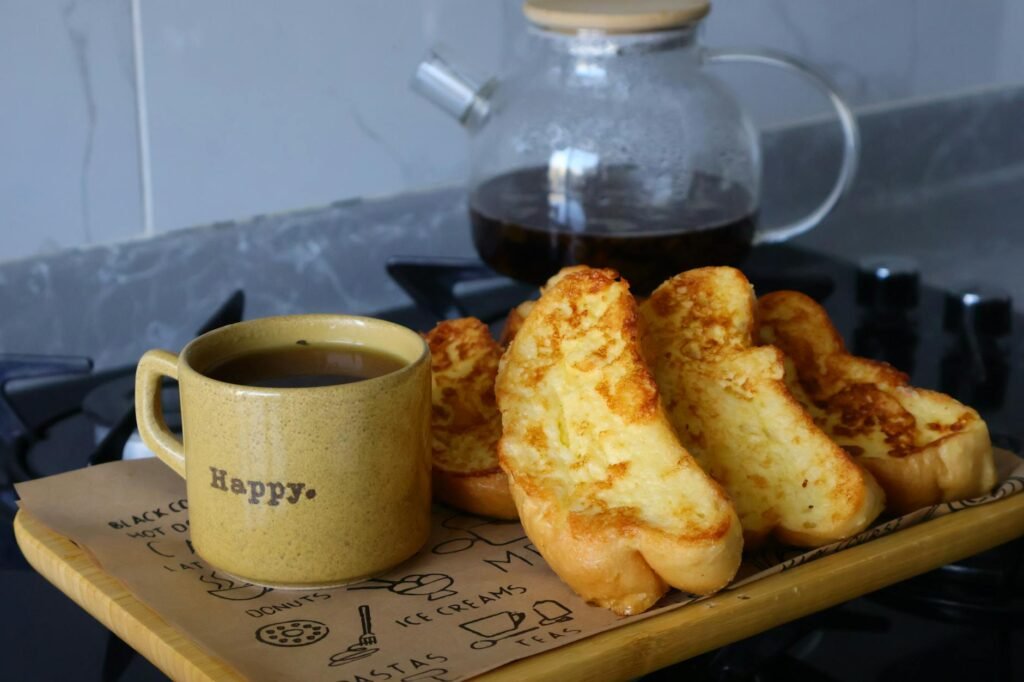
Classic French Toast Recipe With a Twist: Elevate Your Breakfast Game
Imagine waking up on a lazy weekend morning, the sun streaming through your kitchen window, and the tantalizing aroma of cinnamon and vanilla filling the air. What could be better than a plate of classic French toast to kickstart your day? But here’s the twist: this isn’t your typical recipe. You’re about to discover how simple ingredients can come together to create an unforgettable breakfast experience that’s both comforting and innovative.
But why stop at the traditional egg and bread? The beauty of French toast lies in its versatility. You can take the classic recipe and infuse it with flavors that will surprise and delight your taste buds. Whether you prefer a hint of citrus, a touch of spice, or even a dash of sweetness from unexpected sources, the possibilities are endless. Let’s dive into this delightful culinary adventure!
Gathering Your Ingredients: The Foundation of Flavor
Before you can create your masterpiece, you’ll need to gather your ingredients. Start with your classic French toast staples: bread, eggs, milk, sugar, cinnamon, and vanilla extract. But hold on—let’s mix things up a bit! Why not use challah or brioche instead of the usual white bread? Both will provide a richer flavor and a soft, fluffy texture that elevates your dish. Add a splash of orange juice or zest to your egg mixture for a burst of brightness, and consider a sprinkle of nutmeg for warmth. These small tweaks can transform your dish from ordinary to extraordinary.
Take it from Sarah, a home cook from New Orleans. During a recent brunch gathering, she decided to switch to brioche and add a hint of orange zest to her recipe. The result? Guests were raving about her French toast, and everyone was asking for her secret. Sometimes, it’s the simplest changes that make the most significant impact!
The Perfect Cooking Technique: Sizzle and Soak
Now that you have your ingredients ready, let’s talk technique. The secret to perfect French toast lies not just in the batter but also in how you prepare it. Begin by whisking together your eggs, milk, sugar, vanilla, and your chosen flavor additions. Here’s a tip: let your bread soak in this mixture for a few minutes, but don’t leave it too long. You want it to soak up just the right amount of liquid—enough to be custardy but not so much that it falls apart.
Once your bread has soaked, heat a non-stick skillet or griddle over medium heat and add a touch of butter. As the butter melts and sizzles, carefully place your soaked bread on the skillet. Listen to that satisfying sizzle! This sound is the key to achieving a beautiful golden-brown crust. Flip the bread once it’s crispy on one side, and continue cooking until both sides are perfection. If you’re feeling adventurous, consider adding a sprinkle of powdered sugar or a drizzle of maple syrup right before serving for that extra touch.
Creative Toppings: Personalize Your French Toast
At the end of the day, one of the joys of cooking is the freedom to personalize your dish. Traditional toppings like syrup, butter, or powdered sugar have their place, but why not get a bit more creative? Fresh berries, whipped cream, or even a dollop of yogurt can take your French toast to the next level. And let’s not forget about caramelized bananas or sautéed apples—both add a delightful sweetness and complexity that’s hard to resist.
When my friend Mark hosted a brunch, he surprised everyone with his caramelized apple topping. He sliced apples thin, sautéed them in butter, brown sugar, and cinnamon, and let them bubble just until they were tender. The warm, sweet apples paired perfectly with the fluffy French toast. Who knew that such a simple addition could create such an impressive dish?
Serving Suggestions: Make Every Bite Count
Presentation is key when it comes to breakfast. A well-styled plate not only looks appealing but also enhances the overall dining experience. Stack your French toast beautifully, perhaps with a sprinkle of powdered sugar on top, and serve with a side of fresh fruit. Consider incorporating different textures as well—adding a crunchy granola topping or a sprinkle of nuts can create an interesting contrast.
What’s more? Consider pairing your French toast with a delightful beverage. A freshly squeezed orange juice or a rich cup of coffee can complement the sweetness of your dish beautifully. Your breakfast table can become a feast for the eyes as well as the palate, enticing your family and friends to dig in.
Make It Your Own: Dietary Adjustments
If you’re catering to dietary restrictions or simply looking to make your French toast a bit healthier, it’s easier than you might think! Substitute regular milk with almond or oat milk if you’re lactose intolerant. For a gluten-free option, use gluten-free bread, which doesn’t skimp on flavor or texture. You can even swap out sugar for a natural sweetener like honey or maple syrup, allowing you to enjoy a guilt-free indulgence.
During one of our weekend cook-offs, my sister decided to go gluten-free and used almond milk in her French toast. The result was surprisingly delicious! We all enjoyed it, and the best part? No one even missed the traditional recipe! It’s proof that with a little creativity, you can satisfy everyone’s palate.
Final Thoughts: Elevate Your Breakfast Tradition
As you can see, creating a classic French toast recipe with a twist is not just about flipping some bread in a pan. It’s about exploring flavors, experimenting with ingredients, and making the dish uniquely yours. Remember, cooking is an expression of love, and what better way to show it than through a memorable breakfast? So, gather your ingredients, put on your apron, and get ready to impress!
What’s your favorite twist on classic French toast? Have you tried any unique toppings or flavor combinations? Share your thoughts in the comments below—let’s inspire each other to create breakfast masterpieces!